
Biomechanical Optimization
of Daily life, Exercise, & Sports
We integrate neuromuscular modelling with portable sensing and actuation, to understand, predict, and optimize human movement abilities.
BIASMECHANICS
The field of biomechanics has long been affected by gender bias, which influences research priorities, experimental design, and data interpretation. We have named this issue BIASMECHANICS to encourage efforts to address them.
Neuromuscular simulations

Development and validation of realistic neuromuscular controllers based on generic neural pathways to simulate full body movements in daily life activities.
Age-related movement adaptations

Study how humans develop compensation strategies to deal with reductions in physical capacity, sensory systems, and altered reinforcement schemes.
Personalized models in clinic and sports

Development and validation of an automatic pipeline to generate subject-specific musculoskeletal models from optical 3D surface scans.
Remote movement guidance

Design of a light-weight wearable haptic interface that guide users during physical exercise using an illusory pulling sensation.
Wearable rehabilitation
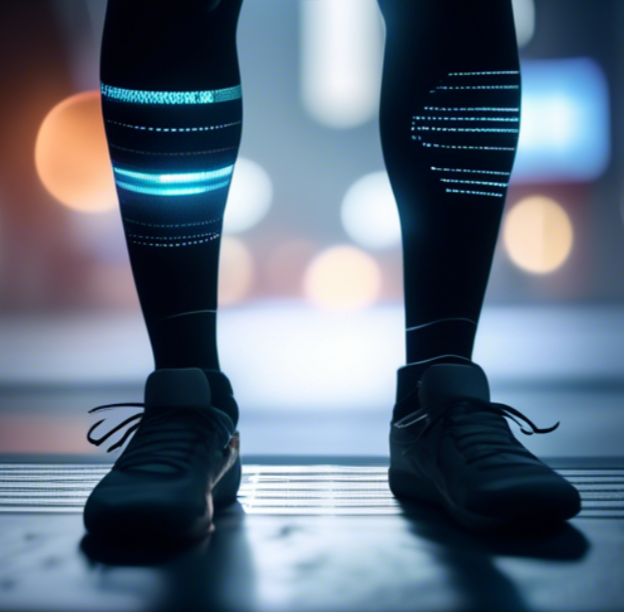
Design and validation of wearable textile based sensors and actuator for rehabilitation after injury.
Optimizing speed skating technique

Combining predictive simulations with innovative motion capture techniques to optimize speed skating technique.
Portable Balance Lab
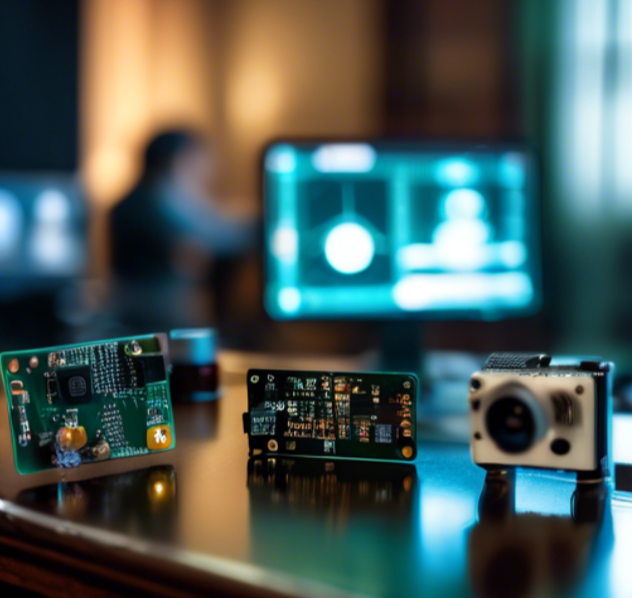
Educational course on the development of portable sensor platforms, elderly care, fall incidents, and sensorimotor integration.
Video-based motion capture
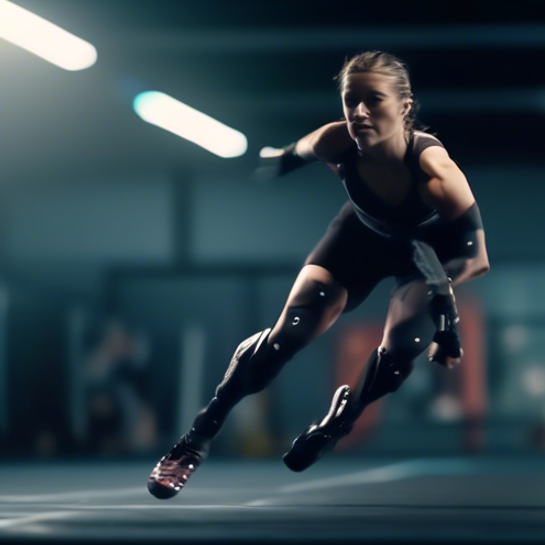
Development of new algorithms for video-based motion capture tailored to clinical and sports applications and populations
 BODIES